Pool Opening Checklist: Spring Pool Startup Guide for Ontario
This pool opening checklist for Ontario homeowners covers everything you need for a proper spring startup. Use this as your pool startup checklist for the GTA: cover removal, equipment inspection, water chemistry, and what to watch for after a cold winter.
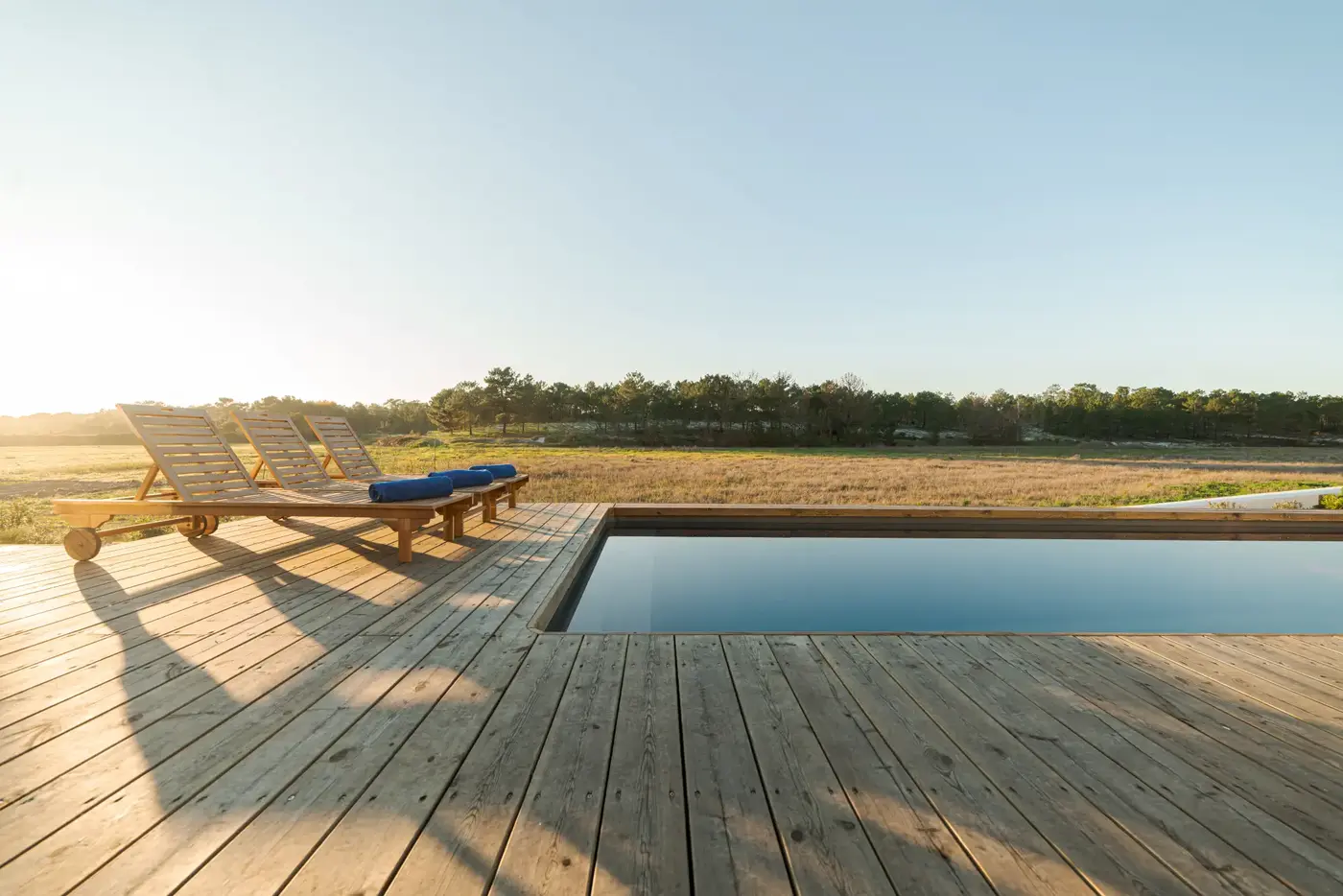
When to Open Your Pool in Ontario
For spring pool startup in Ontario, the ideal time to open your pool is when overnight temperatures consistently stay above 10 degrees Celsius - typically late April to mid-May. Opening earlier when water is still very cold slows algae growth but wastes chemicals. Waiting too long risks algae blooms if water temperatures climb above 15 degrees before you start circulating and treating the water.
For most GTA homeowners, the Victoria Day long weekend (third Monday of May) is a traditional target opening date that works well with Ontario's climate.
Pool Opening Checklist: Step by Step
Step 1: Remove and Clean the Winter Cover
Use a cover pump to remove standing water from the top of the cover before removal - this prevents dirty water from dumping into the pool. Sweep or blow debris off the cover. Remove the cover with a helper to avoid dragging debris into the water. Hose down the cover, allow it to dry, and fold for storage in a cool, dry location. Storing a wet cover causes mildew damage that shortens cover life significantly.
Step 2: Remove Winter Plugs and Reconnect Equipment
Remove expansion plugs from skimmer lines and return jets. These are installed at closing to prevent freeze damage. Reconnect plumbing lines to pump, filter, heater, and any automated equipment. Reinstall drain plugs on the pump, filter, and heater that were removed at closing. Re-install the pressure gauge on the filter.
Step 3: Inspect All Equipment for Winter Damage
Check the pump casing, filter housing, and heater for cracks. Freeze damage is most common at unions and valves. Check all plumbing connections for signs of fracturing or joint failures. Inspect the pump motor - listen for unusual noises on startup. Check the filter O-ring and replace if dry or cracked. Inspect the pool light and any automation control panels. This is the best time to catch equipment issues before the swim season begins.
Step 4: Check the Pool Structure
For vinyl liner pools: inspect the liner for tears, holes, or lifted seams. Look at the waterline area for fading or chemical staining. Check coping and decking for frost heave damage. For inground concrete pools: look for new cracks in the shell, especially where the floor meets the walls. Check tile grout for gaps from winter freeze.
Step 5: Top Up Water Level and Start Circulation
Fill the pool to mid-skimmer level. Prime the pump by removing the strainer lid and filling with water before starting. Start circulation and verify all return jets are flowing. Check that the skimmer is drawing water properly. Run the system for at least 24 hours to circulate water fully before testing chemistry. Verify no air is trapped in the system (look for gurgling sounds or uneven flow).
Step 6: Test and Balance Water Chemistry
After 24 hours of circulation, test your water: pH should be 7.2-7.6, total alkalinity 80-120 ppm, calcium hardness 200-400 ppm, and free chlorine 1-3 ppm. Shock the pool with calcium hypochlorite or sodium dichloro - use a double-shock dose (2 lbs per 10,000 gallons) for the opening treatment. Run the pump for 24 hours after shocking before testing again. If the water is green from algae, use an algaecide in addition to the shock treatment.
Common Pool Opening Problems in Ontario
The most frequent issue GTA pool owners face on opening is green water from algae that bloomed during the winter months. Green water requires a full algae treatment: brush the walls and floor, add algaecide, double-shock the pool, run filtration continuously, and vacuum to waste once the algae has died. This process typically takes 2-4 days.
Pump motor failures are also common after a cold winter - especially for motors over 5 years old. If your pump hums but does not start, the capacitor has likely failed ($150-$250 to replace). If the motor does not turn at all, full motor replacement may be needed ($400-$700).
For vinyl liner pools, check carefully for liner tears that may have occurred from ice pressure or improper winterization. Small tears can be patched; multiple tears or significant damage may indicate it is time for a new liner.
Professional Pool Opening vs DIY
Our pool opening guide for Toronto homeowners goes beyond the checklist: a professional pool opening service from Swimpool 360 costs $250-$450 and takes 2-3 hours, including equipment inspection by a trained technician, water testing, and identification of any repairs needed before the season. The cost is worth it for most homeowners - a missed equipment issue caught at opening avoids an expensive mid-season breakdown.
Understanding how to open a pool in Ontario is entirely feasible for DIY homeowners comfortable with basic plumbing and water chemistry. The checklist above covers all the essential steps. The most common DIY mistake is not checking water chemistry carefully enough and ending up with a green pool that requires significant chemical treatment to clear.
Related guides and services: