Pool Heater Guide Ontario 2026: Gas vs Heat Pump vs Solar
Choosing the right pool heater in Ontario is the single biggest factor in how many weeks a year you actually swim. This guide compares gas, heat pump, and solar pool heaters on upfront cost, monthly operating expense, heating speed, and lifespan, with realistic 2026 CAD prices, BTU sizing tables, and the TSSA and permit requirements every Toronto and York Region homeowner needs to know before buying.
Ryan Roy
Lead Pool Specialist, Swimpool 360
— Updated for the Ontario & GTA Market
Why Pool Heating Matters in Ontario's Short Season
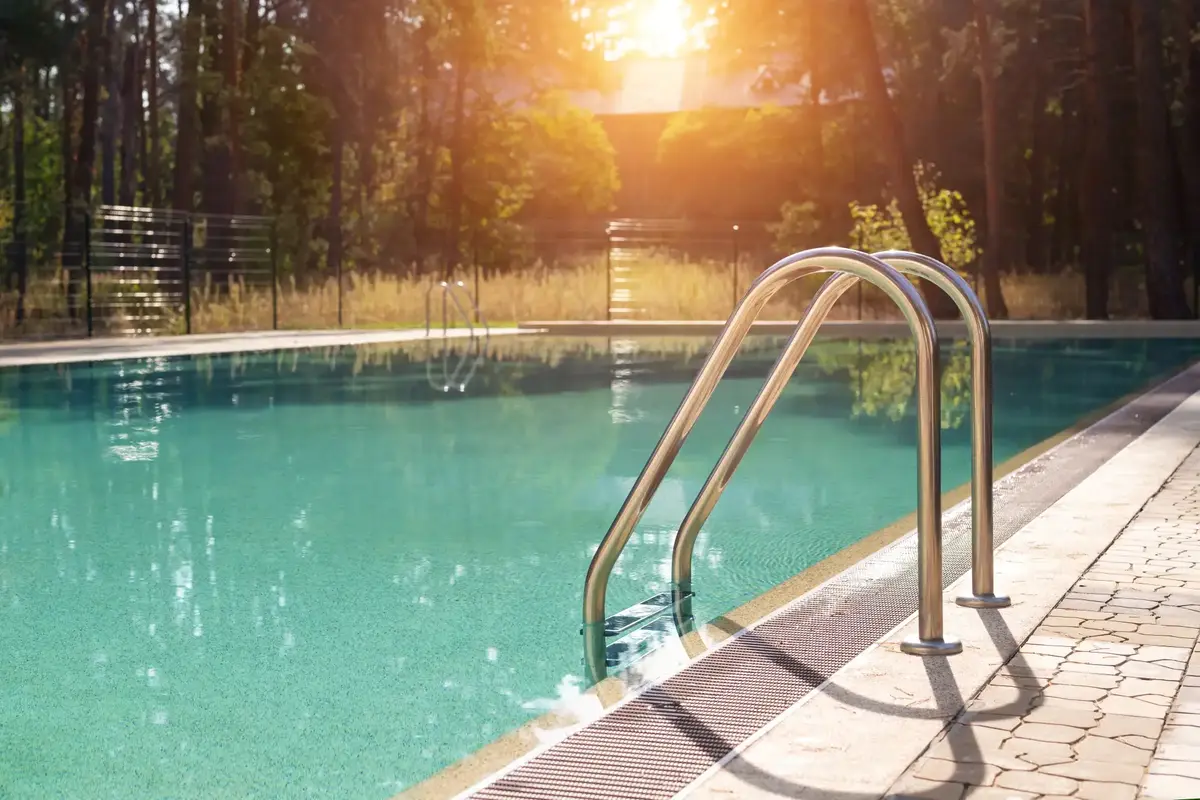
Ontario's natural swim season is punishingly short. Without heating, most inground pools in the Toronto and York Region area only reach comfortable swimming temperatures of 26 to 28 degrees Celsius for roughly 8 to 10 weeks between late June and the end of August. Overnight cooling, cloudy stretches, and cool lake-effect breezes routinely knock water temperatures back into the low twenties, cutting swimming days out from under you. A properly sized pool heater in Ontario transforms that window, adding four to eight weeks of usable season on either end and holding a stable, comfortable temperature through the entire summer regardless of the weather.
The value proposition is straightforward. A homeowner who invests $50,000 or more in a pool installation is leaving much of that investment idle if the water is only warm enough to use for two months. Adding a heat pump or gas pool heater effectively doubles the return on the pool by making it usable from May through September, and in some cases into early October. For families with children, the difference between 24-degree and 28-degree water is the difference between a pool that gets used every day and one that sits covered.
There is no single best heater for every property. The right choice depends on how you use the pool, whether you have natural gas at the property, your available electrical capacity, and how aggressively you want to extend the season. Below we break down each heater type so you can match the technology to your situation. If you are planning a new pool, our pool installation services include heater selection and sizing as part of the design process.
What a Heater Actually Buys You in Ontario
- Season extension: Comfortable swimming from May into September or October instead of just July and August
- Temperature stability: A consistent set temperature regardless of overnight cooling or cloudy days
- More usable days: Cool, breezy summer afternoons stay swimmable instead of driving everyone indoors
- Higher return on your pool investment: A heated pool gets used far more than an unheated one in Ontario's climate
- Resale appeal: A modern, efficient heater is a selling feature for GTA buyers evaluating a pool property
Gas vs Heat Pump vs Solar vs Electric: The Comparison
When homeowners research the best pool heater in Canada, they encounter four main technologies. Each heats water differently, and each has a distinct cost profile, heating speed, and ideal use case. Understanding how they differ is the foundation of a good buying decision.
Natural Gas and Propane Heaters
A gas pool heater in Toronto burns natural gas or propane to heat water passing through a combustion chamber. Gas heaters are the fastest way to warm a pool, raising temperature quickly regardless of the outdoor air temperature. That speed makes them the top choice for season extension into cool spring and fall weather and for owners who heat only occasionally, such as before a weekend. The trade-off is operating cost: gas heaters generate heat directly, so they consume the most fuel of any option. Upfront cost is the lowest of the powered heaters at $2,500 to $5,500 installed.
Heat Pump Pool Heaters
A heat pump pool heater in Canada works like an air conditioner in reverse, extracting warmth from the surrounding air and transferring it into the pool water. Because it moves heat rather than generating it, a heat pump delivers roughly four to five units of heat for every unit of electricity it consumes, making it dramatically cheaper to run than gas. The catch is that heat pumps depend on warm air, so they heat slowly and their efficiency falls as the air cools below 10 to 15 degrees Celsius. For the core Ontario summer they are the efficiency champion, with the highest upfront cost at $4,500 to $8,000 installed.

Solar Pool Heating
Solar pool heating circulates pool water through roof- or ground-mounted solar collector panels where the sun warms it before returning it to the pool. Once installed, a solar system costs almost nothing to operate beyond running the existing pool pump. The limitations are that solar heating is weather-dependent, delivers gentle rather than fast heating, and needs significant unshaded south-facing panel area. In Ontario's sunny summer months a well-designed solar system can add several degrees of warmth for free, and it pairs well as a supplement to a gas or heat pump system. Upfront cost runs $3,000 to $7,000 installed.
Electric Resistance Heaters
Electric resistance heaters use electricity to directly warm water through a heating element, similar to an electric water heater. They are inexpensive to buy but extremely expensive to run for a full-size inground pool, which is why they are rarely recommended in Ontario except for small above-ground pools, spas, or hot tubs. For a standard inground pool, the monthly electricity cost of a resistance heater is prohibitive compared with a heat pump that uses a fraction of the power.
| Factor | Gas Heater | Heat Pump | Solar |
|---|---|---|---|
| Upfront Cost (Installed) | $2,500 to $5,500 | $4,500 to $8,000 | $3,000 to $7,000 |
| Monthly Operating Cost | $250 to $600 | $100 to $250 | Near zero |
| Heating Speed | Fastest | Slow to moderate | Slowest |
| Typical Lifespan | 7 to 12 years | 10 to 15 years | 15 to 20 years |
| Best For | Season extension, fast & occasional heating | Efficient daily summer heating | Low-cost supplemental warmth |
Pool Heater Cost in Ontario: 2026 Pricing
Pool heater cost in Ontario depends on the heater type, the size and BTU rating of the unit, and the complexity of installation at your property. The figures below reflect Toronto, GTA, and York Region market rates as of 2026 and include both equipment and standard installation. All prices are estimates; request a written, itemized quote that separates the heater unit from installation labour.
Pool Heater Price Breakdown
- Natural gas pool heater, installed: $2,500 to $5,500. The unit itself runs $2,000 to $4,000 depending on BTU rating and brand; installation adds $500 to $1,500 plus any gas line extension. Larger 400,000 BTU units for big pools sit at the top of the range.
- Heat pump pool heater, installed: $4,500 to $8,000. Higher upfront cost reflects the more complex compressor-based unit. Premium inverter models with quieter operation and better cold-weather performance sit at the upper end. Electrical upgrades may add cost.
- Solar pool heating system, installed: $3,000 to $7,000. Cost depends on panel area required, roof access and mounting complexity, and whether a controller and diverter valve are included. Ground-mounted arrays can cost less than roof installs on complex roofs.
- Gas line extension or upgrade: $500 to $2,500 additional, depending on distance from the meter and whether the existing line has capacity. A licensed TSSA gas fitter must size and run the line for a gas heater.
- Electrical service for a heat pump: $500 to $2,000 additional if a dedicated breaker and wiring run are needed. Larger heat pumps may require a panel with available capacity; older panels sometimes need an upgrade.
- Building or gas permit: $150 to $500 depending on municipality. Gas heater installations require a permit and TSSA-compliant inspection; heat pump electrical work requires an ESA notification.
- Solar or thermal cover (recommended add-on): $150 to $800 depending on pool size and whether you add a roller. A cover pays for itself quickly by cutting heat loss and reducing operating costs no matter which heater you choose.
Cost Note: Why Heater Quotes Vary Across the GTA
The single largest variable in a pool heater quote is the site work, not the unit. A gas heater installed next to an existing, correctly sized gas line is far cheaper than one that needs a long line run and a meter upgrade. Likewise, a heat pump near a panel with spare capacity avoids costly electrical work. Before accepting any quote, ask the contractor to confirm your gas line capacity or electrical panel space in writing, so the price you sign reflects the real installation and you avoid surprise add-ons after work begins.
For a broader look at pool ownership costs, keeping a heater running efficiently is part of routine upkeep. Our pool service and maintenance team handles heater servicing, water chemistry, and seasonal tune-ups that keep any heater performing at its rated efficiency.
Pool Heater Sizing: What BTU Do You Need?
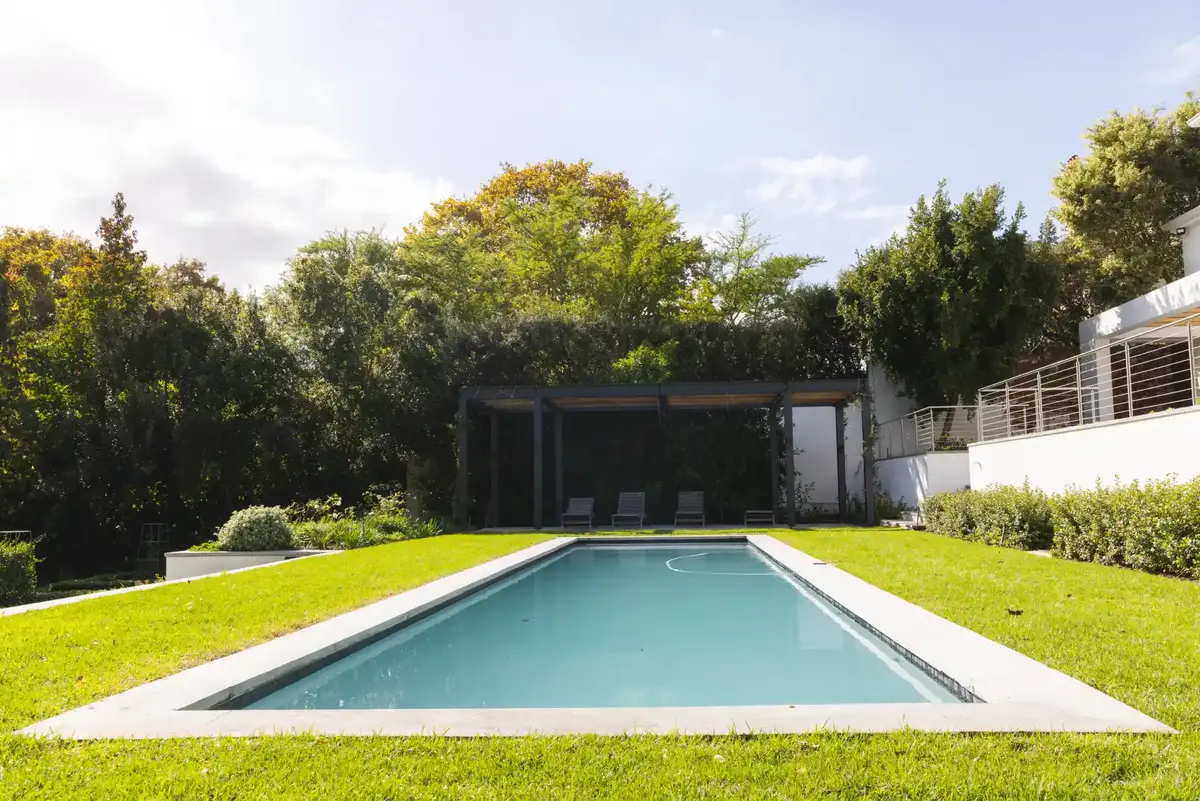
Choosing the right size is the most common mistake homeowners make when buying a pool heater. An undersized heater struggles to reach your target temperature on cool days and runs constantly, while a slightly oversized heater simply heats faster and cycles less. In Ontario's cooler climate, installers almost always recommend sizing up rather than down. Heater capacity is measured in BTUs (British Thermal Units) for gas heaters and in BTUs or horsepower for heat pumps.
Gas Heater BTU Sizing by Pool Size
| Pool Size | Volume | Gas Heater BTU | Heat Pump BTU |
|---|---|---|---|
| Small (up to 12x24 ft) | Up to 15,000 gal | 200,000 to 250,000 | 95,000 to 110,000 |
| Medium (14x28 to 16x32 ft) | 15,000 to 25,000 gal | 300,000 to 400,000 | 110,000 to 125,000 |
| Large (18x36 ft and up) | Over 25,000 gal | 400,000+ | 140,000+ |
Factors That Change the Size You Need
- Surface area: Heat is lost from the water surface, so a wide, shallow pool loses more heat than a compact deep one of the same volume and may need a larger heater
- Wind exposure: An open, windy York Region lot loses heat faster than a sheltered backyard, pushing you toward a larger unit
- Target temperature: Holding 30 degrees Celsius for a spa-like pool requires more capacity than a standard 27 to 28 degrees
- Solar cover use: A cover dramatically reduces heat loss, so covered pools can often run a smaller heater comfortably
- Season length: If you want to heat aggressively in cool April or October weather, size up, especially for a heat pump that loses efficiency in cold air
A larger BTU heater does not waste energy: it reaches your set temperature faster and then cycles off, whereas an undersized heater runs continuously and may never catch up on a cool, windy day. This is why experienced Ontario installers rarely recommend the minimum size. When in doubt, choose the next size up, particularly for gas heaters where the price difference between BTU ratings is modest.
Operating Costs: What You Pay Every Month
The purchase price is only half the story. Over a heater's lifespan, operating cost often outweighs the upfront difference between models, which is why a more expensive heat pump frequently costs less than a cheaper gas heater over ten years. Monthly operating cost in Ontario depends on the heater type, your target temperature, pool size, how many days you heat, and above all whether you use a cover.
Typical Monthly Operating Cost by Heater Type
- Natural gas heater: Roughly $250 to $600 per month during active heating for an average inground pool. Cost scales with gas prices, target temperature, and how many cool days you heat through. Propane is meaningfully more expensive than natural gas.
- Heat pump: Roughly $100 to $250 per month because it moves heat rather than generating it, using about one quarter of the energy of a gas heater for the same warmth. This efficiency is the heat pump's core advantage over its lifespan.
- Solar system: Near zero beyond the cost of running the existing pool pump a little longer. This is the lowest operating cost of any option, though heating is gradual and weather-dependent.
- Electric resistance heater: Prohibitively expensive for a full inground pool, which is why it is only practical for small above-ground pools, spas, or hot tubs in Ontario.
The Single Biggest Cost Saver: A Cover
Regardless of heater type, the majority of a pool's heat loss happens at the water surface overnight through evaporation. A solar or thermal cover placed on the pool when it is not in use cuts that loss dramatically and can reduce heating costs by 40 to 70 percent. On a pool running a gas heater at $400 a month, a $400 cover pays for itself in a single season. No other single measure improves heating economics as much.
Installation Requirements: Gas, Electrical & Permits
Pool heater installation in Ontario is regulated, and the requirements differ significantly between heater types. Cutting corners on installation is dangerous with gas and can void warranties across the board. Here is what a compliant installation involves for each type.
Gas Heater: TSSA Licensed Gas Fitter Required
In Ontario, natural gas and propane appliances must be installed by a licensed gas fitter registered with the Technical Standards and Safety Authority (TSSA). The installer sizes and runs the gas line, ensures adequate combustion air and venting clearances, and connects the unit to code. A permit is required and the work is subject to inspection. Never allow an unlicensed person to connect a gas heater; improper gas work is a serious safety and insurance risk.
Gas Line Sizing and Capacity
A pool heater is a large gas appliance, often drawing 200,000 to 400,000 BTU. Your existing gas line and meter must have the capacity to supply that demand alongside your home's furnace, water heater, and other appliances. If capacity is short, the gas fitter may need to upsize the line from the meter or, in some cases, the utility must upgrade the meter. This is the most common source of unexpected cost, so confirm capacity before ordering the heater.
Heat Pump: Electrical Requirements
A heat pump needs a dedicated electrical circuit sized to the unit, typically a 40 to 60 amp breaker on a 240-volt supply. A licensed electrician installs the circuit and files the required Electrical Safety Authority (ESA) notification. Older or fully loaded electrical panels may not have the spare capacity, in which case a panel upgrade adds cost. Heat pumps also need clear airflow around the unit, so they cannot be boxed into a tight enclosure.
Solar: Roof or Ground Mounting
Solar collectors need substantial unshaded area, ideally facing south, with a collector area roughly equal to 50 to 100 percent of the pool's surface. Roof mounting must account for structural load and waterproofing; ground-mounted arrays avoid roof penetrations but need available yard space. A diverter valve and controller route water through the panels only when they are warmer than the pool.
Permits and Inspection
Most Ontario municipalities require a permit for gas heater installation and an ESA notification for the electrical work on a heat pump. A reputable installer pulls the required permits and arranges inspection as part of the job. Skipping permits can create problems with home insurance and when you eventually sell the property.
Extending Your Swim Season in Ontario
A heater is the engine of season extension, but pairing it with a few smart practices multiplies the result and keeps operating costs down. These are the measures we recommend to every heated-pool owner across the GTA and York Region.
Use a Cover Every Time the Pool Is Idle
As noted above, a solar or thermal cover is the highest-impact accessory you can own. It traps daytime heat, blocks overnight evaporation, and can extend your comfortable season by weeks simply by preventing the heat your heater generates from escaping. An automatic cover or a roller makes daily use practical, which matters because a cover only helps if it is actually on the water.
Time Your Heating Intelligently
Heat during the warmest part of the day when a heat pump is most efficient and when solar collectors are producing. Set back the target temperature a couple of degrees on days you know the pool will not be used, and let a gas heater do the fast recovery before a planned swim rather than holding a high temperature around the clock. Modern heaters and automation controllers let you schedule this precisely.
Address Wind and Shade
Windbreaks such as fencing, hedging, or landscaping reduce surface heat loss on exposed lots, and clearing shade that falls on the pool during peak sun hours lets the water bank free solar gain. These passive measures reduce how hard your heater has to work throughout the season.
Open Early and Close Late
With a heater and a cover, you can open the pool earlier in spring and close it later in fall than an unheated pool allows. Coordinating your heater start-up with your seasonal opening ensures the water is comfortable from day one. For a full walkthrough of getting your pool running each spring, see our pool opening checklist for Ontario.
When to Repair vs Replace a Pool Heater
Even a well-maintained heater eventually reaches the end of its service life. Knowing whether to repair or replace saves you from pouring money into a failing unit or scrapping one with years left in it. Use these guidelines when your heater acts up.
- 01. Age relative to lifespan: Gas heaters last 7 to 12 years and heat pumps 10 to 15 years in Ontario. A heater past that window facing a major repair is usually a replacement candidate; a young heater is worth fixing.
- 02. Repair cost versus replacement: If a single repair exceeds roughly half the cost of a new unit, replacement is usually the smarter spend, especially on an older heater likely to need further repairs.
- 03. Corroded heat exchanger: A failed or corroded heat exchanger is often the most expensive gas-heater component. On an aging unit, this repair frequently tips the decision toward replacement.
- 04. Rising operating cost or weak heating: A heater that struggles to reach temperature or burns noticeably more fuel than it used to may be scaled, corroded, or losing efficiency, signalling end of life.
- 05. Efficiency upgrade opportunity: Replacing an old, inefficient gas heater with a modern heat pump can pay for itself in operating savings, making replacement attractive even before the old unit fully fails.
- 06. Availability of parts: For discontinued models, parts can be slow or impossible to source. When a common part is no longer available, replacement becomes the only practical path.
What GTA Clients Say About Swimpool 360
"Swimpool 360 sized and installed a heat pump for our Markham pool and walked us through why it beat the gas quote we had. Our first full summer running it, the hydro increase was a fraction of what we expected, and the water is a steady 28 degrees all season."
Priya S. — Markham, ON (York Region)
"Our old gas heater died mid-July. Swimpool 360 had a TSSA gas fitter out fast, confirmed our gas line could handle a bigger unit, and had us swimming again within the week. Straightforward pricing and no surprises on the permit or the line work."
Mark T. — Vaughan, ON (GTA)
Swimpool 360 installs and services gas, heat pump, and solar pool heaters across Toronto, the GTA, and York Region. Book a free on-site heater consultation and we will size the right unit for your pool and provide a written quote. Call 647-239-7665 or use our online form.
Choosing the Right Pool Heater for Your Ontario Pool
The best pool heater for your property comes down to how you swim. Choose a heat pump if you want the lowest operating cost for steady summer heating and have the electrical capacity to support it. Choose a gas heater if you want the fastest heating, plan to push the season into cool spring and fall weather, or heat only occasionally. Add solar as a low-cost supplement wherever you have the sun and space. Whatever you choose, size it correctly for Ontario's climate and pair it with a cover to protect your investment.
Swimpool 360 helps homeowners across Toronto, the GTA, and York Region select, size, install, and service pool heaters of every type. We handle the TSSA gas work, the electrical for heat pumps, and the permits, so your installation is safe, compliant, and warranty-protected. Call 647-239-7665 today for a free, written, no-obligation pool heater quote. We respond to all Ontario inquiries within 24 hours and schedule site visits within the week.
Frequently Asked Questions: Pool Heaters in Ontario
How much does a pool heater cost in Ontario?
A pool heater in Ontario costs $2,500 to $8,000 installed in 2026 depending on type. A natural gas heater runs $2,500 to $5,500, a heat pump runs $4,500 to $8,000, and a solar system runs $3,000 to $7,000 installed. Installation cost varies with gas line length, electrical service upgrades, and permit fees. Gas heaters have the lowest upfront cost but the highest operating cost, while heat pumps cost more to buy but the least to run. Always request a written, itemized quote that separates the equipment from installation labour, and confirm your gas line capacity or electrical panel space before ordering to avoid surprise add-ons.
Is a gas or heat pump pool heater better for Ontario?
For most Ontario pool owners a heat pump is the better long-term value because it uses roughly one quarter of the energy of a gas heater to deliver the same warmth, cutting monthly operating costs sharply. A gas heater is the better choice when you need to heat fast, want to extend the season into cool spring and fall weather below 10 degrees Celsius, or heat only occasionally. Many GTA homeowners choose a heat pump for efficient daily summer heating and some pair it with a gas heater for shoulder-season speed. Weigh how you use the pool, your electrical capacity, and your access to natural gas before deciding.
What size pool heater do I need?
A small inground pool up to 15,000 gallons needs a 200,000 to 250,000 BTU gas heater or a 95,000 to 110,000 BTU heat pump. A medium pool of 15,000 to 25,000 gallons needs a 300,000 to 400,000 BTU gas heater or a 110,000 to 125,000 BTU heat pump. A large pool over 25,000 gallons needs a 400,000 BTU or larger heater. Undersizing means the heater never reaches your target temperature on cool days, so most Ontario installers recommend sizing up given the province's cooler climate. Surface area, wind exposure, target temperature, and whether you use a solar cover all affect the correct size.
How much does it cost to run a pool heater per month in Ontario?
Monthly operating cost for a pool heater in Ontario ranges from about $100 to $600 depending on heater type, target temperature, pool size, and cover use. A gas heater costs roughly $250 to $600 per month during active heating, a heat pump roughly $100 to $250, and a solar system almost nothing beyond the pump. The heat pump's low cost comes from moving heat rather than generating it. The single biggest cost saver, regardless of heater type, is a solar or thermal cover, which cuts overnight heat loss and can reduce operating costs by 40 to 70 percent. On a pool running $400 a month in gas, a cover pays for itself in one season.
Can a heat pump pool heater work in Ontario's climate?
Yes, a heat pump pool heater works well in Ontario during the normal swim season from late May through September when daytime air temperatures are consistently above 10 to 15 degrees Celsius. Heat pumps pull warmth from the surrounding air, so efficiency drops as the air cools, and below roughly 7 to 10 degrees Celsius they become slow and inefficient. That makes a heat pump excellent for maintaining comfortable water through the core Ontario summer but less suited to aggressive early-spring or late-fall heating. Owners who want to push the season into April or October often choose a gas heater or add one alongside a heat pump for cold-weather speed.
Related pool guides and services from Swimpool 360: