Composite vs Wood Deck Cost in Ontario 2026: Price per Square Foot and Permits
The composite vs wood deck question usually starts with the price per square foot and ends with a much more useful question: what will this deck cost me over the next twenty-five years? Wood is cheaper on the day it is built. Composite decking is cheaper to live with. In between sit the parts of a deck quote that move the price far more than the boards do: height, stairs, railings, footings and the permit. This guide covers all of it with 2026 GTA pricing.
Ryan Roy
Lead Pool Specialist, Swimpool 360
- Written for the Toronto & GTA Market
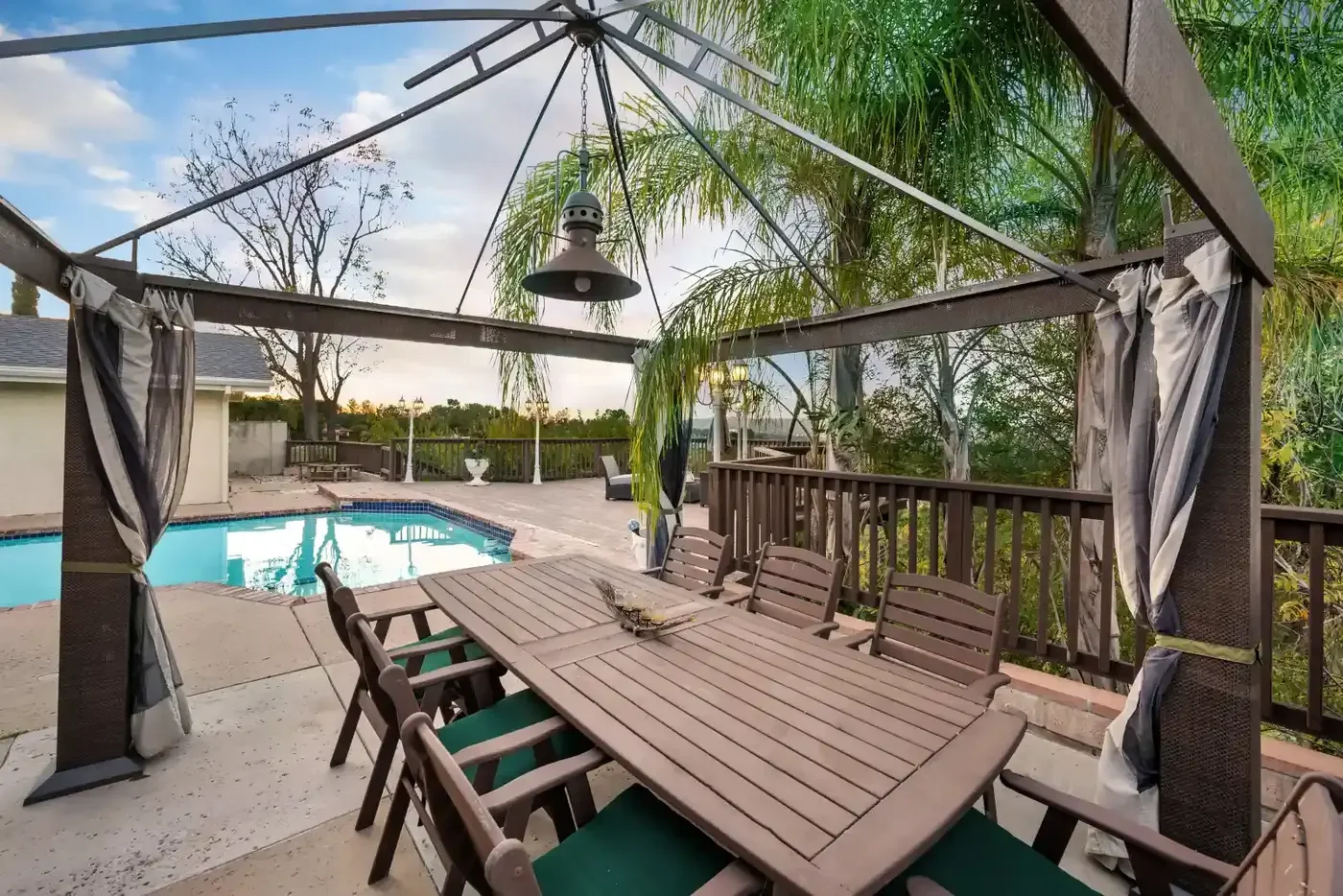
Composite vs Wood Deck: Four Materials Compared
Almost every deck built in Ontario uses one of four surface materials. The frame underneath is usually pressure-treated lumber in all four cases, so the comparison is really about the boards you walk on and the railings you lean on. This guide is about backyard decks in general; for decking around a pool, read our pool coping and deck materials guide, which covers splash-out, coping joints and slip resistance.
| Material | Installed Cost per sq ft | Typical Lifespan | Upkeep |
|---|---|---|---|
| Pressure-treated wood | $18 to $30 | 10 to 15 yrs | Stain or seal every 2 to 3 yrs |
| Cedar | $30 to $45 | 15 to 20 yrs | Stain or seal every 2 to 3 yrs |
| Composite (capped) | $30 to $50 | 25 to 30 yrs | Wash once or twice a year |
| PVC (cellular) | $45 to $70 | 25 to 30+ yrs | Wash once or twice a year |
Pressure-treated wood
The budget standard across Ontario. It is strong, easy to work and widely available. Its weaknesses are checking, splitting and warping as it weathers, and the fact that it needs a finish to look good past the first couple of summers. A neglected pressure-treated deck can look tired in five years; a well-kept one lasts 10 to 15 before boards need replacing.
Cedar
Cedar is naturally rot-resistant, lighter and more stable than treated lumber, and it smells and looks the part. It is softer, so it dents, and it still needs regular staining or it turns silver-grey. Many homeowners choose cedar for the visible parts (boards, rails, fascia) over a treated frame.
Composite
Composite boards blend wood fibre and plastic, and the better ones have a protective polymer cap. They do not need staining, do not splinter and hold their colour far better than wood. Uncapped, older-generation composites had a reputation for mould and fading; current capped boards from established manufacturers are a different product.
PVC
Cellular PVC boards contain no wood fibre at all, so they are the most moisture-resistant option and the lightest. They cost the most and expand and contract more with temperature, which makes careful gapping essential. They suit low decks close to grade, shaded or damp yards, and anywhere moisture is constant.
Deck Cost per Square Foot and by Size
Those per-square-foot ranges assume a straightforward deck one to three feet off the ground, rectangular, with basic stairs and simple railings. Here is what that means for common GTA deck sizes.
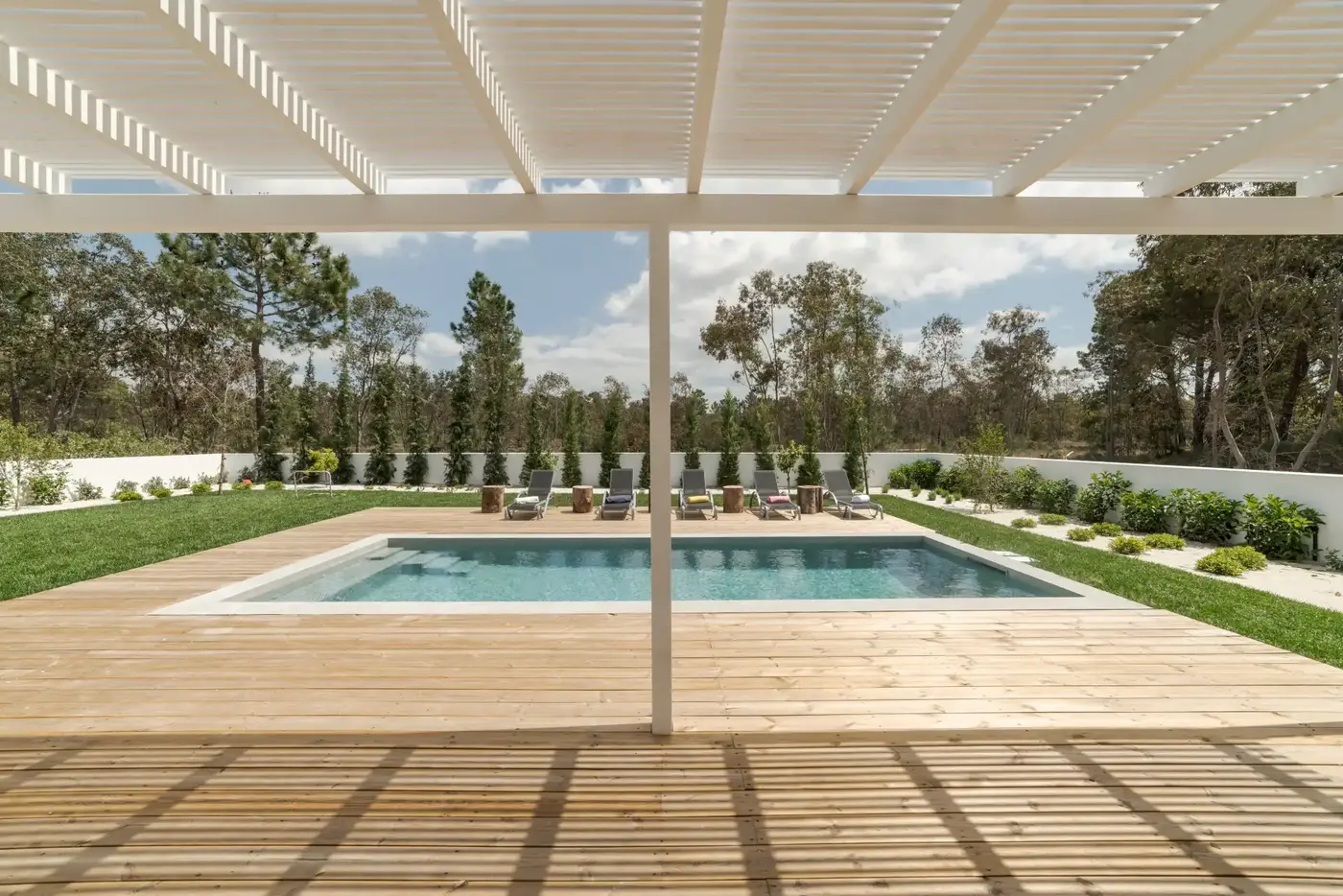
| Deck Size | Pressure-Treated | Cedar | Composite | PVC |
|---|---|---|---|---|
| 12 x 16 ft (192 sq ft) | $3,500 to $5,800 | $5,800 to $8,600 | $5,800 to $9,600 | $8,600 to $13,400 |
| 16 x 20 ft (320 sq ft) | $5,800 to $9,600 | $9,600 to $14,400 | $9,600 to $16,000 | $14,400 to $22,400 |
| 20 x 24 ft (480 sq ft) | $8,600 to $14,400 | $14,400 to $21,600 | $14,400 to $24,000 | $21,600 to $33,600 |
Treat these as starting points. A second-storey deck, a long staircase or glass railings can add as much again as the boards. The next two sections explain where the money really goes.
The 25-Year Cost of Ownership
The fair way to settle the composite deck cost argument is to add maintenance and replacement to the build price. Below is an illustrative estimate for a 320 square foot deck, assuming you hire out staining or sealing every two to three years at roughly $700 to $1,200 a time and replace worn wood boards once within the period. Your numbers will differ, but the pattern holds.
| Material | Build | 25 Years of Upkeep | Re-decking | Approx. Total |
|---|---|---|---|---|
| Pressure-treated | $5,800 to $9,600 | $6,000 to $11,000 | $3,500 to $6,000 | $15,300 to $26,600 |
| Cedar | $9,600 to $14,400 | $6,000 to $11,000 | $4,000 to $7,000 | $19,600 to $32,400 |
| Composite | $9,600 to $16,000 | $1,000 to $2,500 | Usually none | $10,600 to $18,500 |
| PVC | $14,400 to $22,400 | $1,000 to $2,500 | Usually none | $15,400 to $24,900 |
If you stain your own deck, wood closes much of the gap, because materials alone run a few hundred dollars a coat. If you would rather spend summer weekends on the deck than on your knees with a brush, composite usually comes out ahead within ten to fifteen years. One more point: a composite surface will outlast a poorly built frame, so ask for joist tape on the tops of the joists and properly rated hardware.
What Really Drives Deck Cost
Two decks with identical boards and footprints can differ by thousands of dollars. These are the reasons.
Height and framing
A low deck sits on short posts with simple bracing. A deck off a main floor eight or ten feet up needs taller posts, heavier beams, diagonal bracing and more labour working at height. Once a deck is high enough to need guards, railings become a large line item too.
Footings below the frost line
Frost in the GTA reaches deep enough that footings for a permanent deck need to go about 4 feet (roughly 1.2 m) below grade, or the deck heaves each winter and doors and stairs fall out of alignment. There are two common approaches:
- Concrete piers: a hole dug or augered to depth, a form tube and a poured footing. Typically $250 to $500 each depending on access and soil. Cheap where you can dig, messy in tight yards.
- Helical piles: steel screw piles turned into the ground by machine, ready to build on the same day with almost no spoil. Usually $350 to $700 each, and well suited to clay, wet ground, tight access and winter installs.
Floating decks on surface blocks exist and suit some small, low, freestanding platforms, but they will move with frost. Never attach a floating deck to the house.
Stairs and railings
A short set of stairs typically adds $1,000 to $3,500, more for wide or landing-type stairs. Railings are priced by the linear foot and vary hugely:
- Wood railing: roughly $40 to $80 per linear foot
- Aluminum picket: roughly $90 to $160 per linear foot, no painting
- Glass panels with aluminum posts: roughly $180 to $350 per linear foot, keeps the view open
A 16 by 20 foot deck with railings on three sides has around 50 linear feet of railing, so the jump from wood to glass can add $5,000 to $15,000 on its own.
Fasteners, access and demolition
Hidden fastener systems for composite cost more than face screws but give a cleaner surface. Removing an old deck, hauling material through a narrow side yard, or building over a slope all add labour. Make sure each quote lists them.
Deck Permit Rules in Toronto and Ontario
Deck permits are set by each municipality under the Ontario Building Code, so the rules vary across the GTA. The general pattern is consistent, but always confirm with your own building department before you finalize a design.
- Height trigger: most Ontario municipalities, including Toronto, require a building permit for a deck more than about 600 mm (24 in) above grade.
- Attached decks: some municipalities also require a permit for a deck attached to the house, even if it is low. Check before assuming a low deck is exempt.
- Guards: the Ontario Building Code requires guards once the deck surface is more than 600 mm above the ground. Guard height and the spacing between pickets are specified, and taller decks need taller guards, so let the permit drawings set them.
- Zoning: setbacks from property lines, lot coverage and height limits apply even where a building permit does not. A deck that breaks a zoning rule may need a minor variance, which takes months.
- Pools nearby: a deck that gives access to a pool can affect the pool enclosure. Our Ontario pool regulations guide explains how enclosure bylaws work.
Why winter is deck season on paper: permit drawings, zoning review and municipal processing can take several weeks, longer in busy spring months. Design and apply in winter, and your builder can start as soon as the ground allows. Searches for deck builders peak from October to December for exactly this reason: the good ones book next season's calendar in the fall. Building without a required permit can mean fines, an order to open up or remove the work, and trouble when you sell.
Composite Decking Pros and Cons
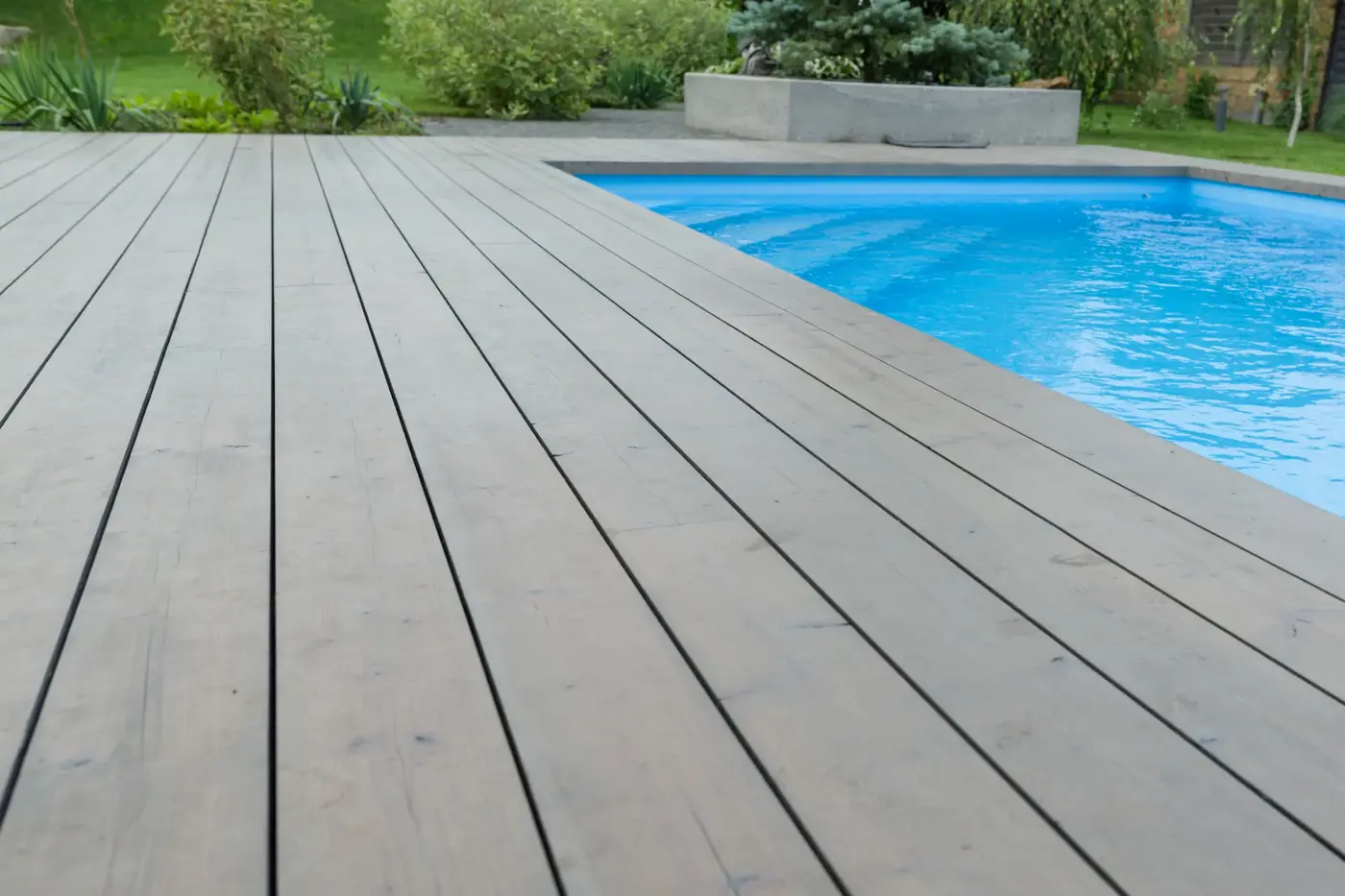
What composite does well
- No staining, ever. Wash it with soap and a soft brush or a low-pressure rinse once or twice a year.
- No splinters or checking, which matters for bare feet and kids.
- Consistent colour and long warranties on fade and stain from the major manufacturers.
- Handles Ontario winters well, as long as the frame and footings beneath are sound.
What to watch for
- Heat: dark composite boards in full July sun get hot enough to be uncomfortable barefoot. Choose a lighter colour for south-facing decks.
- Scratching: the cap resists stains but can scratch under dragged furniture or a metal snow shovel. Use furniture pads and a plastic shovel, and check the manufacturer's guidance on ice melt.
- Expansion gaps: composite and especially PVC move with temperature, mainly along their length. Installers must follow the manufacturer's gapping for the install temperature; tight butt joints in July open up in January.
- Joist spacing: many composite boards need joists at 12 inches on centre for diagonal layouts, rather than the 16 inches common with wood. That adds framing cost.
- It is not structural: the frame is still wood, so frame quality decides how long the deck really lasts.
Choosing Deck Builders in Toronto and the GTA
The boards are the same whoever installs them. The footings, framing, flashing at the house and the paperwork are what separate good deck builders from the rest. When you interview deck builders in Toronto, ask:
- Who prepares the permit drawings and who applies? A builder who handles drawings and the application saves you weeks.
- How deep are the footings, and are they piers or helical piles? The answer should be below the frost line, about 4 feet.
- How is the ledger attached and flashed? A poorly flashed ledger lets water into the house wall and rots the rim joist, which is one of the costliest deck failures.
- Can I see a certificate of liability insurance and a WSIB clearance? If a worker is injured on an uncovered job, liability can land on you.
- What does the written warranty cover? Get a workmanship warranty in writing, separate from the board manufacturer's product warranty, and ask whether the install meets that manufacturer's requirements.
- What is the payment schedule? A reasonable deposit with payments tied to milestones and inspections, not most of the money up front.

Compare quotes on the same drawing: footprint, height, material line, railing type, stair count, footing type and whether permits and disposal are included. If one quote is much lower, look for fewer footings, wider joist spacing or no ledger flashing.
Deck Design Ideas for GTA Backyards
A deck that only holds a barbecue and two chairs is a missed opportunity. These ideas make it a room you actually use.
Multi-level decks
On a sloped lot or off a high main floor, two or three levels connected by wide steps separate dining from lounging and can keep the lower level below the height where guards are required.
A pergola for shade
A pergola over the dining zone takes the edge off July sun, especially over composite, and gives you somewhere to hang lights or a retractable canopy. Confirm whether your municipality treats it as part of the deck permit.
Built-in lighting
Low-voltage stair riser lights and post cap lights make steps safe after dark. Plan the wiring before the boards go down so it is hidden in the frame.
Privacy screens
Semi-detached and townhouse lots are often overlooked. A slatted screen on one side gives privacy without blocking air and light; check your municipality's height limits for screens near lot lines.
Built-in benches and planters
Benches along the perimeter add seating and, on low decks, can stand in for a railing where guards are not required. Built-in planters soften the edges.
A deck stepping down to a patio
Pairing a deck off the house with a ground-level patio beyond gives two outdoor rooms. Our patio materials guide compares the options.
Swimpool 360 builds decks as part of complete backyard projects through our landscaping and hardscaping service, so the deck, patio, steps and grading are designed together.
The Bottom Line on Composite vs Wood Decks
In 2026 a pressure-treated deck costs $18 to $30 per square foot installed in the GTA, cedar roughly $30 to $45, composite decking $30 to $50 and PVC roughly $45 to $70. Wood wins on day one; composite usually wins over 25 years once staining and re-decking are counted. Height, stairs, railings and footings below the 4 foot frost line often matter more to the final price than the boards.
If your deck will sit more than about 600 mm above grade, plan on a permit and confirm the rules with your municipality. Design and apply over the winter, then build in spring. Swimpool 360 designs and builds decks and full backyards across Toronto, the GTA, York Region and Durham. Call 647-239-7665 for a free site visit and a written quote.
Frequently Asked Questions: Composite vs Wood Decks
How much does a composite deck cost in Ontario?
A composite deck typically costs $30 to $50 per square foot installed in the GTA in 2026, so a 16 by 20 foot deck runs roughly $9,600 to $16,000. That assumes a fairly low, rectangular deck with basic stairs and railings. Greater height, long staircases, glass or aluminum railings, hidden fasteners and difficult access can push the total well beyond the board cost.
Is composite decking worth it compared with wood?
For most homeowners who plan to stay more than ten years, yes. Composite costs more to build than pressure-treated wood, but it needs no staining and rarely needs re-decking, while wood needs a stain or sealer every two to three years. Over 25 years composite is often the cheaper deck. If you enjoy maintaining wood yourself or plan to move soon, pressure-treated or cedar can still make sense.
Do I need a deck permit in Toronto?
Usually yes if the deck is more than about 600 mm (24 inches) above grade, which is the common trigger in Toronto and most Ontario municipalities. Some municipalities also require a permit for decks attached to the house, and zoning rules on setbacks and lot coverage apply regardless. The Ontario Building Code requires guards once the deck surface is more than 600 mm above the ground. Confirm the current rules with your municipality before you build.
How deep do deck footings need to be in the GTA?
Below the frost line, which is about 4 feet (roughly 1.2 m) in the GTA. Shallower footings let frost lift the deck each winter. Poured concrete piers typically cost $250 to $500 each and helical piles $350 to $700 each; helical piles go in quickly with little digging and suit clay, wet ground and tight access. Your permit drawings will specify the footing type and size.
When should I hire deck builders for a spring build?
In fall or early winter. Good deck builders in the GTA book next season's work from October onward, and permit drawings and approval can take several weeks. Settling the design and applying for the permit over the winter means construction can begin as soon as spring conditions allow, instead of waiting for a summer opening.
Related backyard guides and services from Swimpool 360: